Having a gum specialist near me can help you get the care that you need. A periodontist is a dental specialist who specializes in treating gum disease and other gum problems. They can also help you prevent future problems with your gums. Gum disease is caused by plaque and tartar, which build up over time. These hardened plaques make it difficult to clean your teeth. Getting a professional cleaning by a dental hygienist can help remove this plaque and tartar. They can also prescribe antibiotics for the gums to fight off bacteria. If you have gum problems, it is important to brush and floss your teeth. Using a good quality mouthwash can also help you clean your teeth. Regular visits to a periodontist can help you monitor the progress of gum disease.
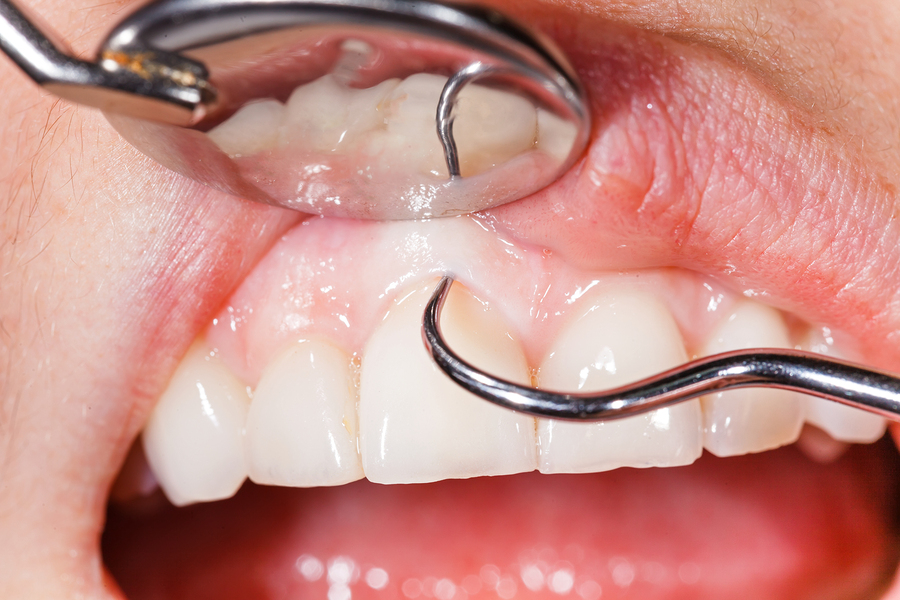
If your gums start to bleed when you chew or if you notice that you have redness, pain, or swelling, you may have gum disease. If you do not have these symptoms, your dentist may not be able to detect the problem. However, you can call your health services department and ask for an appointment. They can also refer you to a gum specialist in your area.
Periodontal disease is not only damaging to the gums, but also to the bones. Unless you receive proper treatment, you could develop severe health problems. People with untreated periodontal disease may develop cancer of the blood, kidney, and pancreas. These problems are also linked to heart disease. A gum specialist can help you determine if you need to undergo surgical procedures to repair your gums and bones.
Some of the treatments offered by a gum specialist include guided tissue regeneration, pocket reduction surgery, and flap or pocket reduction surgery. These procedures are used to stop the spread of infectious bacteria and to help make your teeth more attractive. A periodontist can also recommend other non-surgical procedures that can help you maintain your gums.
Another common gum disease problem is gingivitis. Gingivitis is caused by bacterial infections. When bacteria enter the mouth, they cause inflammation, redness, and pain. Gingivitis can be reversible if you get treatment right away. However, if you have advanced gum disease, you may need to undergo surgical procedures to treat the condition. The costs for these treatments range from $500 to $10,000. However, they are cheaper than dental implants.
A gum specialist can also perform surgical procedures to replace teeth or gums that have been lost. They can place dental implants, which are artificial tooth roots. These implants can hold a bridge or replacement tooth.
Other gum treatments include soft tissue grafts and bone surgery. These surgeries can help to stimulate the growth of new tissue in the area and to replace bone fragments that have been lost from gum disease. These surgeries can help to make teeth more stable and easier to clean. Gum problems can be embarrassing and uncomfortable, so getting treatment as soon as possible is important. If you have a periodontal infection, call your dentist right away.
 Gum Specialist